
What We Can All Learn from the Swedes
Health, culture, and the power of slowing down.
There is something about Sweden that quietly gets under your skin. Not loudly. Not dramatically. Just gently, steadily—like a calm rhythm you start to notice after a few days.
It isn’t just the beautiful old cities that have stood the test of time, the endless bright daylight, or the natural landscapes. It’s the feeling that life is structured a little differently here. The systems, the culture, the food, the way people move through their day—it has a quiet purpose that resonates: support the well-being of the people.
And when you step into that rhythm, you start to notice something important.
Health here doesn’t feel like something you chase.
It feels like something that is built into everyday life.
A System Built for the People
Sweden’s healthcare system operates on a simple but powerful idea: healthcare should work for the betterment of the people, by the people.
Taxes support the system, and in return citizens receive access to care that prioritizes prevention, longevity, and quality of life.
But what’s fascinating isn’t just the system itself—it’s how the culture supports the system.
People walk everywhere!
They bike to work. In the blustery cold and all the days in between.
They spend time outside, even in winter, bundled up in a parka and hat.
Meals are simple, nourishing, and often shared.
The infrastructure makes health possible, but the culture makes health normal.
And that’s something worth paying attention to.
Food as Everyday Medicine
One thing that stood out quickly last week while over there is how simple and intentional the food culture is.
Breakfast buffets are filled with whole foods:
berries, yogurt, rye and seed breads (very dense breads, so you don’t need much to feel full), eggs, seeds, fish, vegetables.
You see things that align beautifully with what I often talk about in my own coaching work—real food, fiber, protein, healthy fats. The kinds of foods that support bones, muscles, metabolism, and gut health.
Nothing feels extreme.
Nothing feels performative.
It’s just how people eat.
Even something as humble as a slice of rye bread with sardines, avocado, and lemon—one of the most nutrient-dense meals on the planet—feels completely normal here.
(And yes, for those following along… the sardines made another appearance😊)
The Power of Fika
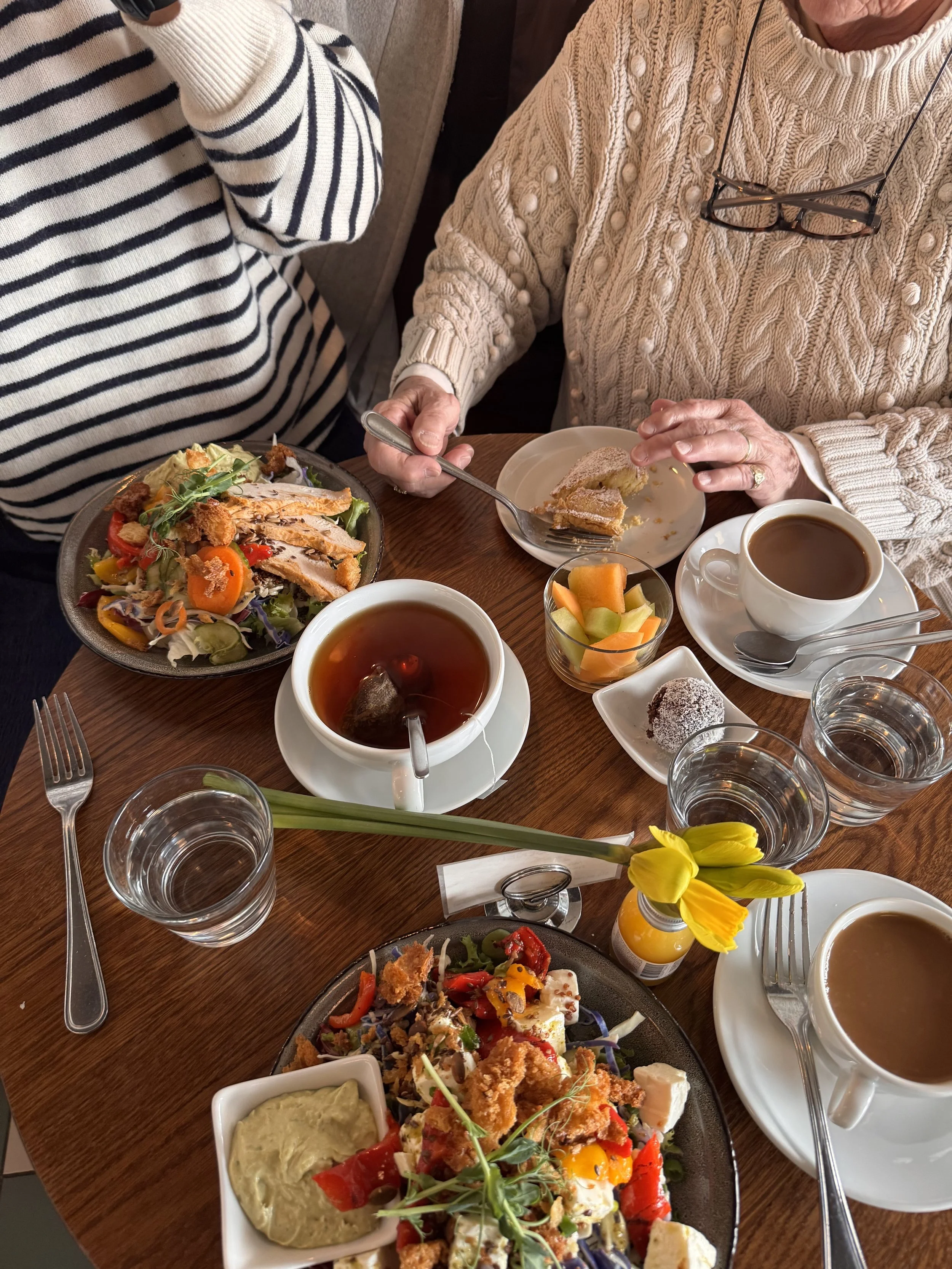
But perhaps the most meaningful cultural lesson comes from a simple Swedish tradition: fika.
Fika isn’t just a coffee break.
It’s a pause.
A moment to sit down.
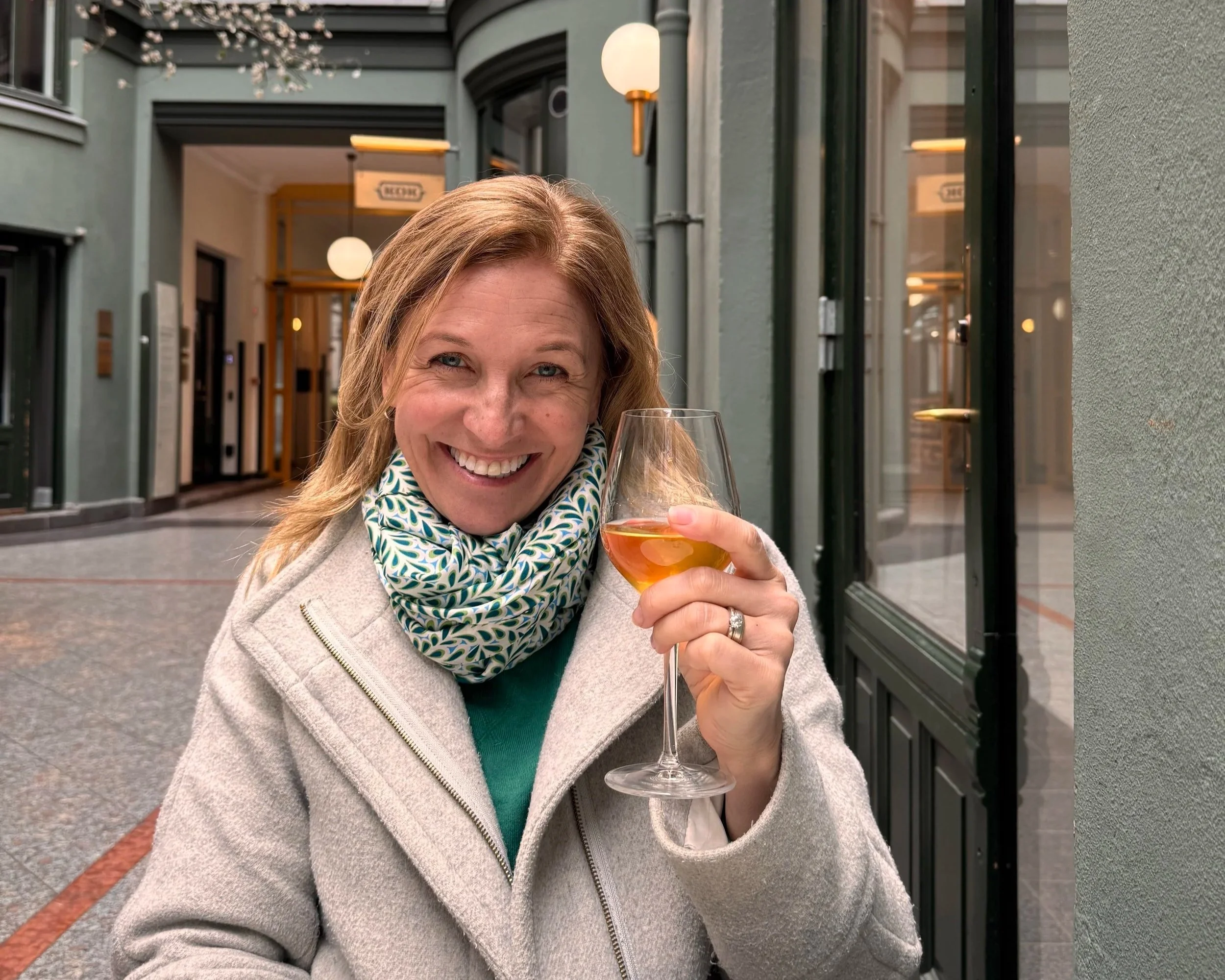
Have coffee or tea. Sometimes a glass of wine with a smorgasbord.
Maybe a small pastry, Kardemummabulle. Maybe a toast skagen.
And most importantly—connect with another person.
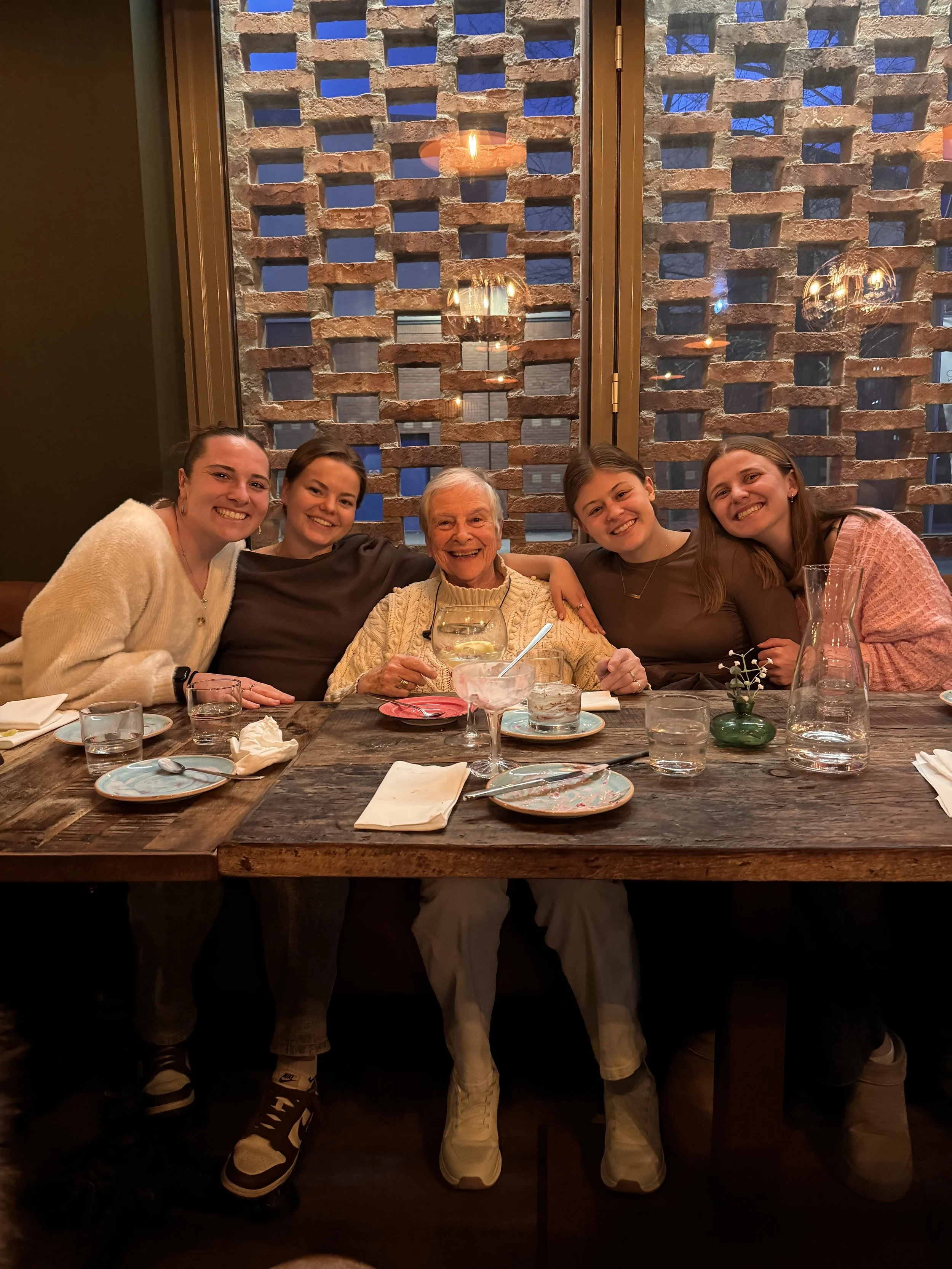
In Sweden, fika is built into the rhythm of the day. Workplaces pause. Friends meet. Families gather.
And the message behind it is subtle but powerful:
Productivity is not the goal. Connection is.
Slowing Down to Take Inventory
When you slow down—like really slow down—only then can you start to take inventory of what truly matters.
Your health.
Your energy.
Your relationships.
Your time.
It’s something I talk about often in my work with women navigating midlife: the importance of stepping back and asking,
What do I want the next twenty or thirty years of my life to feel like?
Strength.
Energy.
Mobility.
Joy.
These things don’t happen by accident. They are built slowly through the habits we practice every day—what we eat, how we move, how we recover, and how we connect with others. Because health has to happen in the middle of your busy life.
A Swedish Lesson
Worth Bringing Home
Of course, we don’t need to move to Sweden to learn from this…(though the thought crossed my mind many times ☺️).
The real takeaway comes from simply watching how the Swedes live—and realizing there are lessons we can bring home and build intention around here in the U.S.
Health should not be treated like a separate project.
It isn’t a crash program, a detox, or something you squeeze in when life finally calms down.
Instead, we can build our own version of these rhythms right at home.
Take a walk before or after dinner.
Eat simple, nourishing meals that help your body recover.
Strength train a few times each week.
Pause for coffee with a friend.
Create your own version of fika. (I’m still ruminating on lots of ways to do this—more to come.)
Because the truth is, the healthiest cultures in the world don’t rely on willpower.
They rely on systems, routines, and communities that make healthy living the natural choice.
And maybe that’s the real lesson Sweden offers all of us:
Health isn’t something we cram into a busy life.
Health is something we build a life around.
One meal.
One workout.
One walk.
One conversation.
One extra glass of water.
One pause for coffee with someone you love.
So here’s my invitation as we step into this next season:
Build your strength — move your beautiful body daily.
Nourish your body — build your own version of a Queen Bee Meal each day.
Protect your bones — stack resilience in your bones, muscles, tissues, and mind.
And don’t forget to sit down, take a breath, and share a cup of coffee along the way.
What will your future fika look like?
Because the healthiest life isn’t the busiest one.
It’s the one lived with intention. ☕💛
And the truth is, aging well isn’t something we hope for.
It’s something we build—one small, meaningful habit at a time.
If you paused for your own version of “fika” this week… what would it actually look like in your real life? Send me a note. I always love hearing from you.
